Case Studies
NHS Herne Bay
Location: Herne Bay
Contract Length: 6 weeks
Services: Thermal insulation
Problem –
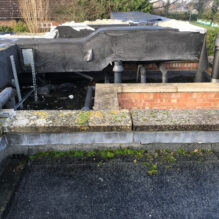
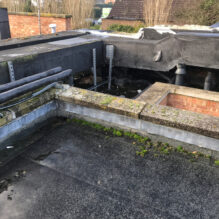
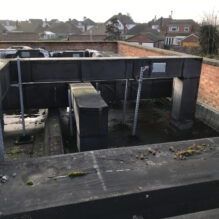
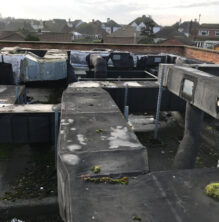
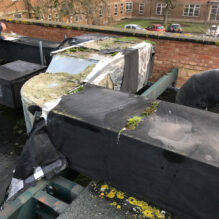
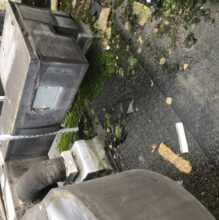
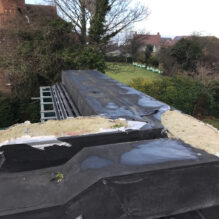
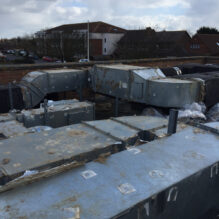
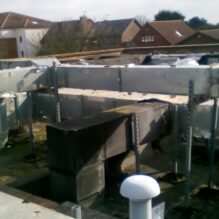
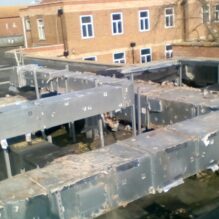
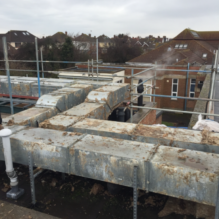
The existing insulation had not been protected from bird attack and through the years the protection on the insulation had become damaged. It became sodden with water which prevented the insulation from trapping warm air and doing its job of insulating. There were also many bare patches with insulation missing from the ductwork. The hospital was trying to keep the operation theatres up to a required temperature but was struggling due to the damaged and missing insulation. The effects of this was causing major heat loss during the winter months and heat gain during the summer months.
The fuel costs to maintain a constant temperature within the operation theatres would have been extremally increased. The high temperatures escaping through the damaged insulation during the winter months was attracting unwanted vermin to nest and shelter during inclement weather.



Solution -
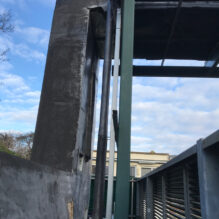
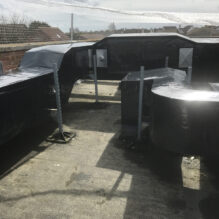
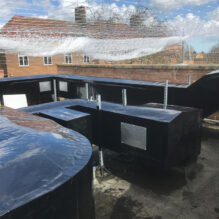
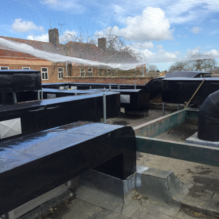
The decision was made to remove all the remaining insulation from the ductwork and pipework and roof area where the insulation that was scattered, sweeping clean the roof and placing all the damaged insulation in to a skip ready for disposal at a licensed waste disposal site.
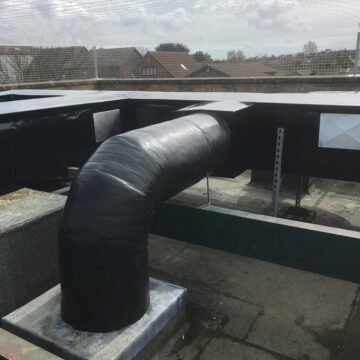
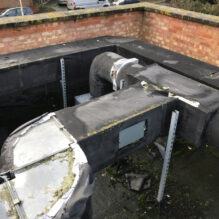
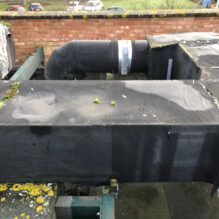
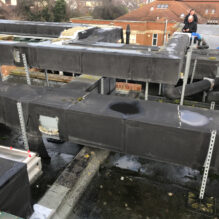
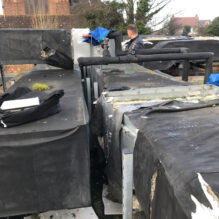
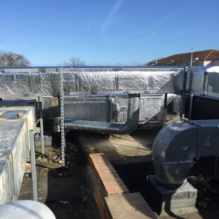
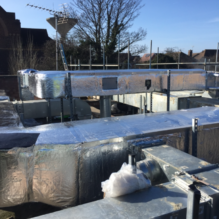
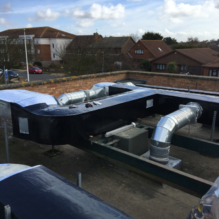
After the ductwork was inspected for any signs of corrosion, we proceeded to insulate the ductwork with 50mm RW45 kg mineral fibre insulation slabs. The slabs were cut to size and fixed to the surface of the ductwork with insulation pins mechanically fixed to the ductwork surface and insulation adhesive. All the seams were taped with 100 mm foil face tape, the tops of the insulation were formed with an apex to expel any water to prevent any puddling on the tops of the finished insulation. On the circular ductwork we used 50mm RW45 kg mineral fibre lamella mat which was fixed to the surface of the ductwork with an insulation adhesive and sealed with the same tape. Along all corners of the rectangular ductwork 50mm aluminum angle was fixed to strengthen the edges. On the rectangular ductwork, the whole of the surface of the insulation was covered with black Ventureclad working from the bottom up to ensure all seams shed water. The circular ductwork was covered with 0.8 Polyisobutylene, with all seams set to shed water and solvent welded. The pipework was insulated with phenolic insulation also covered with 0.8 polyisobutylene sheeting.
Bird netting was installed on the main roof to protect the finished insulation from birds, where netting could not be installed, we used aluminum sheeting, this was applied to the top section of the insulation before covering with Ventureclad, this would prevent the birds puncturing the weather proofing ventureclad.
Result -
With the insulation in place the heat loss/gain will be kept to a minimum enabling the hospital to manage the temperatures within the operation theatres and greatly reduce utility cost.
Customer Testimonial
We have used Ashdon Insulations on numerous occasions and always found them very reliable and a pleasure to do business with, even when up against it,
Ashdons get the job done!
PAUL EATON / DIRECTOR
Do you have a Thermal Insulation Project for us?
From initial advice, to installation plan, project management and installation. Our experts can help you to specify appropriately, navigate BS 5422 2009, pinpoint potential savings, and avoid hidden costs.